
Leaders Eat Last by Simon Sinek
 wkadmin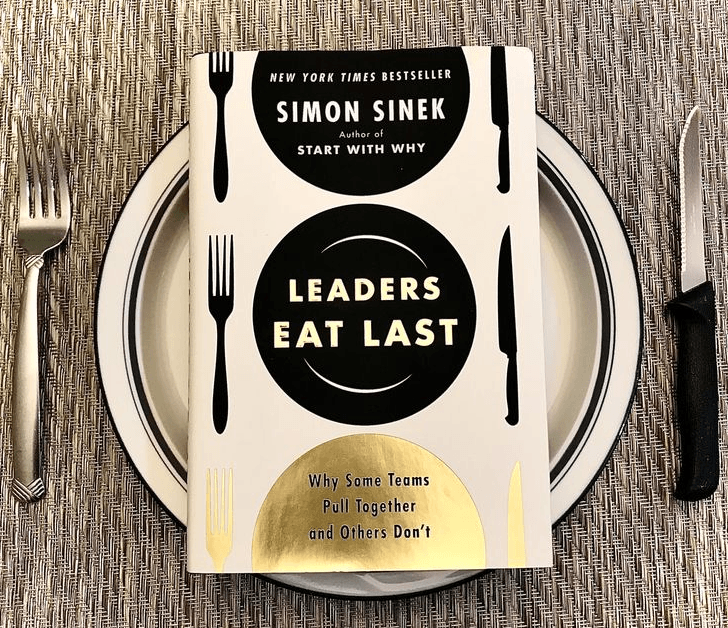
📖 Introduction: Why This Book Matters?
Imagine a workplace where people love coming to work—where they feel safe, valued, and inspired to give their best. Sounds rare, right? Simon Sinek’s Leaders Eat Last reveals why most organizations fail at this, and how the best leaders create environments where trust and cooperation thrive.
Drawing from biology, anthropology, and real-world case studies, Sinek explains why leadership isn’t about power—it’s about responsibility. In an era of burnout and disengagement, this book is a wake-up call for anyone who leads teams (or hopes to).
🔑 Key Model: The Circle of Safety
Sinek’s core idea is that great leaders create a Circle of Safety—a culture where people feel protected, not threatened.
How It Works:
- Biological Roots: Humans are wired for trust. When we feel safe, we collaborate; when we feel threatened, we compete or shut down.
- Modern Problem: Many companies prioritize numbers over people, creating fear-based cultures.
- The Fix: Leaders must protect their teams from external pressures (unrealistic deadlines, office politics) so they can focus on meaningful work.
Example: In the military, officers eat last to show their troops come first—hence the title.
💡 Key Takeaways & Counterintuitive Insights
1. Leadership ≠ Authority
- Bad leaders use fear to control; great leaders use trust to empower.
- Data Point: High-trust companies outperform competitors by 2.5x in stock returns.
2. The Dopamine vs. Serotonin Effect
- Dopamine-driven cultures (short-term rewards, individual bonuses) create selfish behavior.
- Serotonin-driven cultures (team pride, shared purpose) build loyalty.
3. The Millennial Paradox
- Younger workers aren’t “entitled”—they’re seeking workplaces that offer purpose and mentorship, not just paychecks.
4. The 4 Chemicals of Trust
- Endorphins: Reward short-term effort (e.g., meeting a deadline).
- Dopamine: Fuels individual achievement (e.g., hitting a sales target).
- Serotonin: Builds team pride (e.g., group celebrations).
- Oxytocin: Creates deep bonds (e.g., leaders who listen).
- Balance Matters: Too much dopamine (individual rewards) destroys teamwork.
5. The Price of Leadership
- Real leaders sacrifice first—whether it’s taking blame for failures or giving credit to their team.
💬 Best Quotes From the Book
- “A leader’s job isn’t to be in charge—it’s to take care of those in their charge.”
- “When people feel safe, they give their best without being asked.”
- “Profit is what happens when you get everything else right.”
🚀 Actionable Steps: How to Apply It Today
1. Start Meetings Differently
- Before discussing tasks: Ask, “How is everyone really doing?” (And listen).
2. Protect Your Team
- Shield them from: Toxic politics, unrealistic demands from above.
- Fight for: Resources, recognition, work-life balance.
3. Reward the Right Way
- Replace “Employee of the Month” with “Team of the Month.”
- Celebrate effort as much as results.
4. Practice “Last Place” Leadership
- Take the worst parking spot.
- Stay late to help during crunches.
5. Measure What Matters
- Track trust metrics (e.g., retention rates, anonymous feedback) alongside profits.
🤔 Final Thoughts: Is It Worth Reading?
Yes—but it’s uncomfortable.
- Pros:
- Science-backed: Explains why trust works (not just fluffy ideals).
- Timely: Solves modern workplace disengagement.
- Cons:
- Challenges ego-driven leaders (you’ll squirm if you’re part of the problem).
- Some repetition from Sinek’s other books.
Best For:
- Managers tired of high turnover.
- Employees who want to lead differently.
- Anyone who believes work shouldn’t feel like a daily battle.
⭐ Rating (4.5/5)
| Aspect | Rating | Why? |
|---|---|---|
| Usefulness | ⭐⭐⭐⭐⭐ | Transforms team dynamics. |
| Readability | ⭐⭐⭐⭐ | Stories + science blend well. |
| Originality | ⭐⭐⭐ | Expands on Sinek’s “Start With Why.” |
| Impact | ⭐⭐⭐⭐⭐ | Can revolutionize workplace culture. |
| Practicality | ⭐⭐⭐⭐ | Tools for all leadership levels. |
💬 Your Turn:
Where have you seen a “Circle of Safety” at work—or missed it badly?
(My worst job: A boss who took credit for our ideas. My best: A manager who fought for our promotions.)
🔐 Trust Building Checklist for Teams (Bonus)
(Based on Simon Sinek’s Principles – Customizable for Any Workplace)
1️⃣ LEADER ACTIONS
☑️ Practice “Leaders Eat Last”
- Take the latest lunch slot.
- Publicly defer credit to team members.
☑️ Shield the Team
- Absorb unreasonable demands from above (“I’ll handle the execs—you focus on quality”).
- Say no to toxic politics (e.g., gossip, blame games).
☑️ Be Vulnerable
- Admit mistakes first (“I messed up X—here’s how I’ll fix it”).
- Share personal struggles when appropriate (“I’m also stressed about Y”).
2️⃣ TEAM CULTURE
☑️ Start Meetings with Humanity
- Spend 5 minutes asking: “What’s one win or challenge you’re carrying today?”
☑️ Replace “I” with “We”
- ❌ “I hit the target.” → ✅ “We pulled this off together.”
☑️ Create Safe Feedback Channels
- Anonymous surveys with questions like:
- “Do you feel safe speaking up?”
- “Does leadership have your back?”
3️⃣ RITUALS THAT BUILD OXITOCIN
☑️ Weekly “Small Wins” Celebration
- Share tiny victories (“Shoutout to Sam for helping me debug at 10 PM!”).
☑️ Quarterly “No-Agenda” Time
- Team lunch with no work talk (bond over hobbies, travel, etc.).
☑️ Peer Recognition Program
- Slack channel where anyone can post:
- “Thanks to [Name] for [Specific Help]—it made my week!”
4️⃣ TRUST-KILLERS TO AVOID
☒ Favoritism
- Equal access to opportunities/resources.
☒ Punishing Honesty
- Never shoot the messenger for bad news.
☒ Empty Promises
- Under-promise, over-deliver.
5️⃣ PROGRESS TRACKING
📊 Trust Metrics to Monitor Monthly
- Retention rates
- Anonymous psychological safety scores
- Frequency of cross-team collaboration
🔄 30-Day Challenge
- Pick one item from this list to implement consistently for a month.