
Chanakya Niti: Timeless Wisdom for Power and Purpose
 wkadmin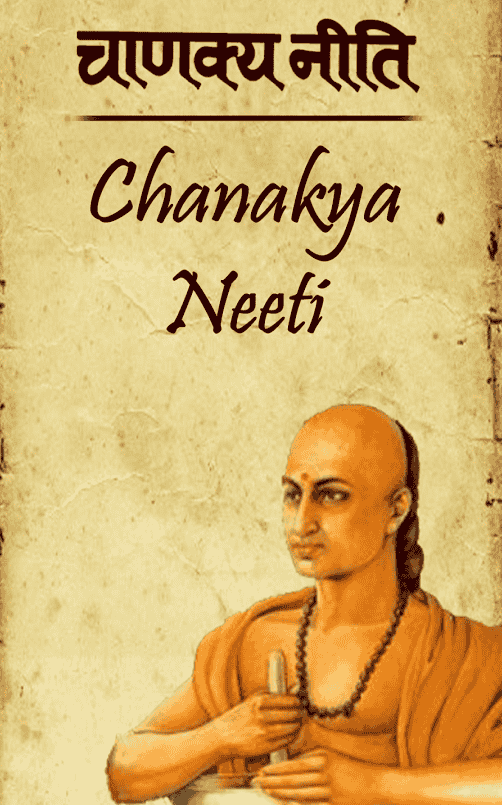
📖 Introduction: Why This Book Matters?
Imagine a world where a single advisor’s strategies toppled empires, built nations, and crafted the first systematic treatise on statecraft. That was Chanakya—the ancient Indian scholar who transformed a exiled prince (Chandragupta Maurya) into the ruler of a subcontinent-spanning empire.
Chanakya Niti isn’t just history; it’s a playbook for power, leadership, and personal mastery that’s studied by CEOs, politicians, and strategists today. In an age of shortcuts and fragile ethics, Chanakya’s ruthless pragmatism and psychological insights offer a counterbalance.
🔑 Key Model: The Four Pillars of Success
Chanakya’s framework blends strategy, ethics, and human nature:
- Artha (Wealth/Power) – Resources as a tool for stability and influence.
- Dharma (Duty/Ethics) – Right action aligned with purpose.
- Kama (Desire) – Channeling passions productively.
- Moksha (Liberation) – Wisdom to know what truly matters.
Core Insight: Power without ethics is destructive; ethics without power is impotent.
💡 Key Takeaways & Counterintuitive Insights
1. The Lion’s Mindset
- “A king (or leader) must have the heart of a lion—fearless but calculating.”
- Modern Application: Bold decisions require courage and cold analysis.
2. Trust is a Weapon
- “Test loyalty before granting it.” Chanakya advised staged betrayals to uncover traitors.
- Counterintuitive: Blind trust invites disaster; verify then empower.
3. Turn Enemies into Assets
- “Even poison, used wisely, becomes medicine.”
- Example: Chanakya recruited his former rivals as allies.
4. The Art of Timing
- “Strike when the iron is hot, but never reveal your furnace.”
- Strategy: Prepare silently, act decisively.
5. Wealth as Responsibility
- “Gold is a slave to the wise, a master to the foolish.”
- Lesson: Money should serve your purpose, not define it.
💬 Best Quotes from the Book
- “A man is born alone, dies alone, and experiences his karma alone.”
- “The serpent who cannot hiss loses its home.” (Speak up or lose respect)
- “Education is the best friend—it walks with you everywhere.”
🚀 Actionable Steps: How to Apply It Today
1. The 24-Hour Rule
- Before major decisions, ask: “What would Chanakya do?” and wait a day to act.
2. Loyalty Audits
- Observe colleagues/friends in crises before trusting deeply.
3. Power Networking
- Identify 3 key influencers in your field → Offer value before asking for help.
4. Daily Learning Ritual
- Dedicate 30 mins to study strategy, history, or psychology.
5. Controlled Temper
- Practice responding (not reacting) to provocations with silence first.
🤔 Final Thoughts: Is It Worth Reading?
Yes—with nuanced understanding.
Pros:
- Unmatched strategic depth for leadership and negotiation.
- Timeless human psychology (manipulation vs. inspiration).
- Cultural treasure of Indian philosophy.
Cons:
- Some advice feels Machiavellian (e.g., deception tactics).
- Requires context—4th-century BCE India was brutal.
Best For:
- Leaders navigating complex power dynamics.
- Entrepreneurs building competitive edge.
- Students of history and strategy.
⭐ Rating (4.3/5)
| Category | Rating | Why? |
|---|---|---|
| Usefulness | ⭐⭐⭐⭐ | Brutally effective if applied ethically. |
| Readability | ⭐⭐⭐ | Aphoristic style needs reflection. |
| Originality | ⭐⭐⭐⭐⭐ | Predates Machiavelli by 1,800 years. |
| Impact | ⭐⭐⭐⭐⭐ | Shaped empires; still used in boardrooms. |
| Practicality | ⭐⭐⭐ | Some principles need modern adaptation. |
🐘 Chanakya’s Daily Power Checklist
(Ancient Strategy Meets Modern Execution)
🌅 Morning (5:00 AM – 7:00 AM)
☑️ 1. The Lion’s Awakening
- Wake before sunrise (Chanakya’s “ambush hour”)
- First thought: “Today, I conquer______” (fill with a goal or weakness)
☑️ 2. Silent Strategy Session
- 10 mins analyzing: “What’s the one move that would multiply my influence today?”
- Write it down → Execute before noon
☑️ 3. Knowledge Warfare
- Read 5 pages of history/strategy (Sun Tzu, Plutarch, or modern equivalents)
🏛 Daytime (7:00 AM – 6:00 PM)
☑️ 4. The Cobra’s Patience
- Pause 3 seconds before responding to provocations
- Ask: “Does this reaction serve my mission?”
☑️ 5. Loyalty Probe
- Test someone subtly (e.g., share minor “secret” → See if it spreads)
☑️ 6. Resource Audit
- Track every rupee/dollar spent → Eliminate 1 wasteful expense
☑️ 7. Strategic Alliance
- Send 1 value-packed message to a key contact (article/opportunity tailored to them)
🌙 Evening (6:00 PM – 10:00 PM)
☑️ 8. Poison-to-Medicine Reflection
- Identify today’s biggest obstacle → Brainstorm 3 ways to weaponize it
☑️ 9. Shadow Council
- Mentally review interactions: “Who proved trustworthy? Who revealed weakness?”
☑️ 10. Fortress Building
- Strengthen 1 defense (backup savings, skill, or health habit)
📜 Weekly Power Rituals
🗓 Every Monday:
- “Enemy Mapping” – List 3 potential threats (people, habits, or ignorance) → Neutralize 1
🗓 Every Full Moon:
- “Wealth Purge” – Donate 1% of income to someone strategically valuable (not charity—investment)
⚔️ Pro Tips from the Arthashastra
- For Meetings: Arrive early to study the room’s dynamics silently
- For Negotiations: Let the other side speak first → Their words reveal leverage
- For Health: Chew 32 times per bite (Chanakya’s digestion secret)
💬 Your Turn:
Which principle resonates most? (For me: “Wealth as responsibility” reframed my goals.)