
The Wisdom of the Watermelon Farmer
 wkadmin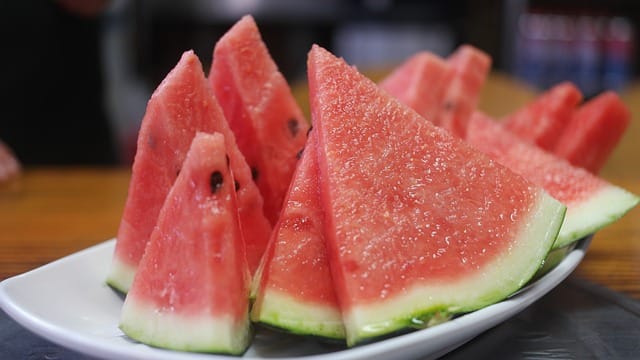
In the Parra village of Goa—the namesake of former Defence Minister Manohar Parrikar—watermelon farming was both tradition and wisdom. Parrikar often recalled how, as children, they eagerly awaited the annual post-harvest ritual: a watermelon-eating contest where village kids could devour endless slices. But there was an unspoken contract.
The old farmer who hosted it had a rule: “Eat freely, but spit every seed into this bowl.” Those seeds—plump, resilient, from the sweetest specimens—became next year’s crop. The children, unwitting collaborators, helped curate excellence. The farmer sacrificed short-term profit, reserving his finest melons not for market, but for the contest—and thus, for the future.
Decades later, Parrikar returned to find Parra’s legendary watermelons diminished. The farmer’s son, prioritizing immediate gains, had reversed the logic: he sold the premium melons and kept smaller, inferior ones for the contest. Within years, the genetic erosion was irreversible. The village’s agricultural heritage had been commoditized into mediocrity.
The Deeper Harvest
Parrikar’s insight cut deeper: Watermelons regenerate annually; human generations take 25 years. The consequences of poor “seeding”—in education, values, or governance—compound silently. Societies that consume their best resources today without reinvesting in tomorrow’s “seeds” risk harvesting only scarcity.
Moral
Sustainability isn’t sacrifice—it’s the art of planting what you won’t consume.
Civilizations thrive when leaders, like farmers, steward the best seeds for unseen harvests.
(A footnote: The story mirrors Parrikar’s own legacy—a technocrat who championed long-term defense reforms over political quick wins.)