
Attached by Levine and Heller
 wkadmin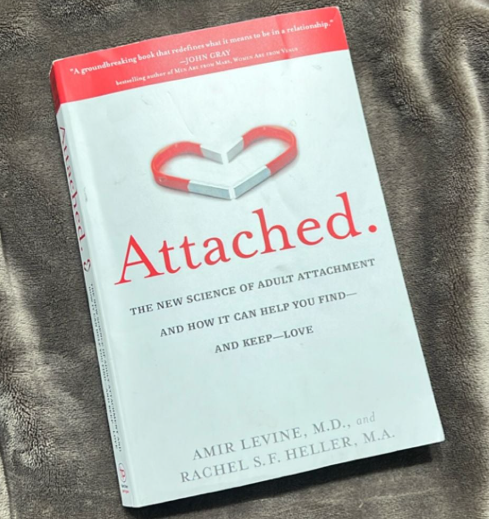
📖 Introduction: Why This Book Matters
Ever wonder why some relationships feel effortless while others drain you completely? Why you keep falling for the same “wrong” person, or why your partner’s need for space makes you panic? This book revolutionizes how we understand romantic connections by revealing that your relationship patterns aren’t random—they’re wired into your attachment system, a biological mechanism that’s been guiding your love life since infancy.
What makes this groundbreaking is its practical approach: attachment theory isn’t just academic psychology, it’s a usable framework for making better relationship choices today. The authors argue that understanding your attachment style is as crucial as knowing your blood type—and potentially more life-changing.
📘 Synopsis
The book explores how three primary attachment styles shape every romantic relationship you’ll ever have. These patterns—formed in childhood but active throughout life—determine whether you feel secure in love or constantly anxious, whether you crave intimacy or run from it. The authors break down the neuroscience and psychology behind why we’re drawn to certain partners, why some relationships feel like coming home while others feel like walking on eggshells, and most importantly, how to identify your own patterns and choose partners who bring out your best self rather than your most anxious or avoidant tendencies.
🔍 The Author’s Journey
Amir Levine is a psychiatrist and neuroscientist at Columbia University whose research focuses on how brain systems influence our social bonds. His clinical work with couples revealed patterns that traditional relationship advice couldn’t explain—why smart, self-aware people kept making disastrous romantic choices despite therapy and self-help books.
Rachel Heller brings the perspective of someone who lived the research, having navigated her own attachment patterns through relationships before collaborating with Levine. Together, they translated dense academic research into accessible wisdom, combining rigorous science with real-world relationship scenarios that readers actually recognize from their own lives.
👥 Who Should Read This / Who This Book Is For
You need this book if:
- You keep attracting emotionally unavailable partners and wonder if there’s something wrong with you
- Your partner accuses you of being “too needy” but their distance makes you feel insane
- You value independence but struggle when relationships get serious
- You’re constantly anxious about where you stand with your partner
- You’re single and tired of repeating the same relationship mistakes
- You’re in therapy but traditional advice hasn’t cracked your relationship patterns
- You’re happily partnered but want to understand why this relationship works when others didn’t
This resonates especially with: People in their late twenties through forties navigating serious relationships, anyone recovering from confusing breakups, therapists seeking better frameworks for couples work, and skeptics of traditional relationship advice who want science-based insights.
🔑 Key Model/Framework from the Book
The Three Attachment Styles Framework:
Secure (approximately 50% of people): Comfortable with intimacy and independence. They trust easily, communicate clearly, and handle conflict without drama or withdrawal. Relationships feel natural, not like constant work.
Anxious (approximately 20%): Crave intimacy and worry constantly about their relationships. Highly sensitive to partner’s moods, need frequent reassurance, and often feel like they care more than their partner does. Their nervous system is literally wired to detect relationship threats.
Avoidant (approximately 25%): Value independence intensely and feel suffocated by too much closeness. They unconsciously deactivate their attachment system—noticing partner’s flaws right after intimacy, prioritizing work over relationships, and feeling relief when alone. Not cold, just wired differently.
The Critical Insight: Anxious and avoidant types attract each other like magnets because their behaviors initially feel familiar, even though they’re ultimately incompatible. This creates the “anxious-avoidant trap” that keeps both stuck in unfulfilling patterns.
📊 By the Numbers
- Roughly 50% of people have secure attachment styles
- About 20% lean anxious, 25% lean avoidant, and 5% have mixed patterns
- Studies show attachment patterns remain relatively stable across adulthood, but can shift with the right relationship
- Secure people have significantly lower cortisol (stress hormone) levels during conflict
- Anxious individuals show heightened activation in brain regions associated with emotional pain when viewing images of their partners
- Research indicates that being with a secure partner can help anxious or avoidant individuals become more secure over time
- Divorce rates are significantly higher for anxious-avoidant pairings compared to secure partnerships
- Brain imaging studies reveal that attachment styles involve distinct neural pathways formed in early development
💡 Key Takeaways & Counterintuitive Insights
The “Chemistry” Trap: That intense, electric feeling with someone new? If you’re anxious or avoidant, it often signals incompatibility, not soulmate connection. Real compatibility can initially feel boring or “too easy.”
Needy Isn’t a Character Flaw: If you’re anxious in relationships, you’re not broken or too much—you’re with the wrong person. Anxious people become calmer with secure partners; their “neediness” is a response to picking avoidant types.
Avoidants Aren’t Commitment-Phobes: They commit deeply—just not to people who trigger their attachment system. They often have long marriages or stable relationships with independent partners.
Effective Communication Isn’t Always Healthy: Anxious people are often great communicators who express needs clearly—yet still feel unheard because they’re with partners who can’t meet those needs. The problem isn’t communication skills; it’s compatibility.
Playing Hard to Get Backfires: Games and strategies attract the exact people you don’t want (avoidants who like distance) while repelling secure partners who value authenticity.
Protest Behaviors Are Biological: When anxious people act “crazy”—obsessively checking phones, picking fights, making ultimatums—they’re not being manipulative. Their attachment system is triggering biological alarm bells.
🧠 Myth-Busting Moments
MYTH: “All people need space in relationships.”
REALITY: Secure people don’t need much space from partners they’re compatible with. The “space” narrative often protects avoidant patterns.
MYTH: “If you’re secure, any relationship can work with enough effort.”
REALITY: Even secure people struggle with highly avoidant partners. Attachment compatibility matters more than communication skills or goodwill.
MYTH: “Your attachment style is fixed from childhood.”
REALITY: While rooted in early experiences, attachment patterns can shift with secure partnerships and conscious work.
MYTH: “Independence is healthier than interdependence.”
REALITY: Secure attachment means comfortable interdependence—relying on partners actually correlates with better mental health and life satisfaction.
MYTH: “Working on yourself should happen before relationships.”
REALITY: Secure relationships themselves are healing. The right partner helps you become more secure; waiting until you’re “fixed” can be counterproductive.
💬 Best Quotes from the Book
While I can’t reproduce exact lengthy passages, the book emphasizes powerful concepts like understanding that your relationship needs aren’t excessive but biological, that choosing secure partners is the most important relationship decision you’ll make, and that true compatibility means your authentic self feels welcomed rather than criticized.
The authors stress that effective dependency—knowing you can count on your partner—creates stronger, healthier people, not weaker ones. They emphasize that you can’t convince someone to meet your needs through better communication if they’re fundamentally incompatible with those needs.
🚀 Actionable Steps: How to Apply It Today
1. Identify Your Attachment Style Take honest inventory of your patterns across relationships. Do you feel calm or anxious when partners need space? Do you crave closeness or feel suffocated by it?
2. Audit Your Relationship History Map your past relationships by your ex-partners’ attachment styles. Notice patterns—are you consistently drawn to avoidant types while secure people feel “boring”?
3. Reframe Your “Flaws” Stop pathologizing your needs. If you want daily communication, that’s not neediness with the right partner—it’s compatibility.
4. Set Attachment-Based Deal Breakers Make “securely attached or willing to work toward it” a non-negotiable, like shared values or attraction.
5. Date Differently Early dating should test compatibility, not build attraction through artificial scarcity. Notice how you feel around someone after intimacy—calmer or more anxious?
6. Communicate Attachment Needs Directly With new partners, be honest about what you need. Secure people appreciate clarity; incompatible people reveal themselves quickly.
7. For Anxious Types: Choose Boring That person who texts back reliably and seems too available? That’s actually what secure looks like. Give them a real chance.
8. For Avoidant Types: Notice Deactivation When you start finding flaws right after intimacy or prioritizing work over dates, recognize it as your attachment system defending itself, not reality.
9. Couples Work: Understand Each Other’s Wiring Share your attachment styles with your partner. Anxious behaviors aren’t manipulation; avoidant behaviors aren’t rejection—they’re automatic responses.
10. Exit Incompatible Relationships Faster If you’re anxious with an avoidant partner and they won’t work on it, leave sooner rather than later. You’re not giving up too easily; you’re respecting compatibility science.
⚡ First 24 Hours Action Plan
Hour 1-2: Take an online attachment style quiz and journal honestly about your results. What patterns do you recognize from past relationships?
Hour 3-4: Text three trusted friends asking them to honestly describe your relationship patterns. Sometimes others see what we can’t.
Hour 5-8: Review your last three significant relationships. Label each partner’s likely attachment style and identify the patterns.
Hour 9-12: If currently dating, evaluate your current situation through an attachment lens. Is your anxiety/distance a personal flaw or a compatibility issue?
Hour 13-18: Create your “attachment deal-breakers” list. What behaviors signal incompatibility regardless of how attracted you feel?
Hour 19-24: If in a relationship, initiate a conversation with your partner about attachment styles using the book’s framework. If single, adjust your dating profile or approach to attract secure partners.
🎯 3-Minute Challenge
Right now, text or call someone you trust and ask: “Do I seem anxious or avoidant in my relationships? Be honest—I want to understand my patterns better.”
Then message yourself this commitment: “I will give secure people a real chance even if the initial spark feels different, and I will exit incompatible relationships faster instead of trying harder to make them work.”
Do this literally right now—set a timer and don’t continue reading until you’ve sent both messages.
🧑💼 How Real People Used It
Maya’s Story: After reading the book, she realized her “amazing chemistry” with emotionally distant men was actually her anxious attachment recognizing avoidant patterns. She started dating someone who seemed “too available” and initially boring—six months later, she described feeling calm in a relationship for the first time ever. The reduced anxiety freed energy she’d always spent managing relationship stress.
James’s Pattern: An avoidant type who kept finding “clingy” partners, James recognized he was unconsciously choosing anxious people because their pursuit felt safe, then criticizing their natural needs for closeness. He started dating more independent people and found himself actually wanting more closeness, realizing his previous “need for space” was a defensive response to incompatible partners.
The Couple’s Breakthrough: Sara and Tom were near divorce—she felt neglected, he felt suffocated. The book helped them understand their anxious-avoidant pattern. Instead of criticizing each other, they created structures: regular check-ins satisfied Sara’s need for connection, while Tom got predictable alone time. Understanding the biology behind their differences transformed blame into compassion.
🤔 Skeptic’s Corner
Oversimplification Risk: Three categories can’t capture every relationship pattern perfectly. Some people show different attachment styles in different relationships or switch between anxious and avoidant.
Cultural Bias: Research comes predominantly from Western, individualistic cultures. Attachment patterns may manifest differently in collectivist societies where family involvement and different relationship norms exist.
The “Just Leave” Problem: The book strongly advocates ending incompatible relationships, which is empowering but potentially oversimplifies. Real relationships involve children, finances, shared history, and growth potential that can’t be reduced to attachment compatibility alone.
Secure Superiority Complex: The framing sometimes makes secure attachment sound superior rather than simply different, potentially creating new relationship hierarchies or judgments.
Change Underemphasized: While the authors acknowledge attachment styles can shift, they could provide more concrete guidance for people actively working to become more secure rather than primarily focusing on partner selection.
Dating Pool Reality: If you eliminate all non-secure partners, you’re potentially excluding 50% of potential partners—practical in theory, harder in reality, especially in smaller dating markets.
🔄 Before & After Reading
BEFORE:
- Blamed yourself for being “too needy” or “unable to commit”
- Thought intense, dramatic relationships signaled true love
- Believed the right communication techniques could fix any relationship
- Felt confused why you kept attracting the same problematic partners
- Thought your relationship anxiety was a personal failing requiring years of therapy
AFTER:
- Recognized your needs as biological and legitimate, not character flaws
- Understood that calm, easy relationships can be more meaningful than intense ones
- Realized some incompatibilities can’t be communicated away
- Identified your pattern of choosing avoidant (or anxious) partners unconsciously
- Reframed anxiety as potential incompatibility rather than personal pathology
- Gained practical criteria for choosing partners beyond attraction and shared interests
- Started prioritizing attachment compatibility as seriously as other relationship factors
⭐ Rating & Analysis
| Aspect | Rating | Why? |
|---|---|---|
| Usefulness | ★★★★★ | Immediately applicable framework that explains confusing relationship patterns and provides clear selection criteria for future partners |
| Readability | ★★★★☆ | Accessible and engaging with relatable examples, though some chapters feel repetitive; could be more concise |
| Originality | ★★★★☆ | Translates existing attachment research into practical relationship advice—not new science, but novel application |
| Impact | ★★★★★ | Genuinely life-changing for people stuck in anxious-avoidant patterns; reframes self-blame into compatibility awareness |
| Practicality | ★★★★½ | Offers clear action steps, though implementation requires courage to exit familiar-but-incompatible relationships |
| Timelessness | ★★★★☆ | Based on decades of research that remains relevant, though dating contexts evolve (apps, etc.) |
Overall: 4.6/5 Stars — A transformative read for anyone stuck in confusing relationship patterns, though most powerful for anxious or avoidant types willing to date differently.
🎬 If This Book Were a Movie
Genre: Psychological drama meets romantic comedy
Protagonist: Alex, a successful but romantically frustrated professional who keeps falling for emotionally unavailable partners while ignoring “boring” secure types
Plot Arc: After another devastating breakup with a charming avoidant, Alex discovers attachment theory and realizes they’ve been unconsciously repeating childhood patterns. The journey involves uncomfortable self-recognition, dating someone who initially feels “wrong” (too available, too consistent), and ultimately learning that real love feels safe rather than exciting
Supporting Characters:
- The Secure Friend who’s been in a drama-free relationship for years and keeps saying “it shouldn’t be this hard”
- The Avoidant Ex who represents the magnetic pull of familiar-but-toxic patterns
- The Therapist mentor figure who introduces attachment theory at the perfect narrative moment
- The New Secure Love Interest who seems boring at first but represents actual compatibility
Climactic Scene: Alex faces a choice between the exciting Ex who wants to “try again” and the Secure New Person who offers consistency without fireworks—choosing the boring option becomes the brave choice
Theme: Real courage isn’t working harder on incompatible relationships; it’s choosing differently despite fear
📚 Books That Pair Well With This
Complementary Reads:
- Wired for Love by Stan Tatkin — Neuroscience of secure relationships and practical couples exercises
- Hold Me Tight by Sue Johnson — Emotionally Focused Therapy approach to healing attachment wounds in existing relationships
- The Science of Happily Ever After by Ty Tashiro — Statistical approach to partner selection complementing attachment framework
- Insecure in Love by Leslie Becker-Phelps — Specifically for anxious attachment types seeking deeper healing work
Contrasting Perspectives:
- Mating in Captivity by Esther Perel — Argues distance and mystery strengthen relationships (opposite of attachment approach)
- Modern Romance by Aziz Ansari — Focuses on dating culture and technology rather than individual psychology
- All About Love by bell hooks — Philosophical and political dimensions of love beyond attachment psychology
📚 Resources
Assessment Tools:
- Experiences in Close Relationships Scale (ECR) — Research-validated attachment assessment available online
- The Personal Attachment Style Questionnaire — Another widely used measurement tool
Further Learning:
- AttachmentTheory.org — Research and resources on attachment science
- Attachment Project online resources — Free guides and deeper dives into each attachment style
- Dr. Stan Tatkin’s PACT Institute — Couples therapy training based on attachment neuroscience
Practical Applications:
- Couples therapy modalities: EFT (Emotionally Focused Therapy) and PACT (Psychobiological Approach to Couples Therapy) both heavily use attachment theory
- Online communities focused on attachment-informed dating and relationships
✍️ Final Reflection: Was It Worth Reading?
Absolutely, especially if you’ve been confused by your relationship patterns or keep attracting the same type of incompatible partner. This book delivers something rare: genuinely useful relationship advice backed by rigorous science rather than pop psychology platitudes.
The most valuable shift is understanding that your relationship struggles might not be personal failings requiring years of therapy, but compatibility mismatches requiring different choices. For anxious types especially, the permission to stop pathologizing your needs and instead find partners who meet them naturally is liberating.
That said, it works best as a partner-selection guide rather than a relationship-repair manual. If you’re already committed to someone incompatible, the book offers less guidance than if you’re dating and can choose differently going forward.
The framework occasionally oversimplifies complex relationships, and the strong emphasis on ending incompatible partnerships won’t resonate with everyone’s values or circumstances. But for people stuck in anxious-avoidant traps, wondering why they keep repeating painful patterns, this book offers genuine clarity and a path forward.
Bottom line: If you’ve ever thought “why do I keep choosing people who can’t give me what I need?” or “am I just too much for relationships?”, read this book. The insights are worth far more than the few hours it takes to absorb them.
💬 Your Turn
Now I’m curious about your experience:
- What attachment pattern do you recognize in yourself after reading this summary?
- Have you noticed anxious-avoidant dynamics in your own relationships?
- What’s one dating pattern you’ll change based on this framework?
- Have you read the full book? What did I miss that was transformative for you?
Drop your thoughts, questions, or “aha!” moments below. Sometimes the best insights come from hearing how others applied this framework to their own relationship stories. Let’s learn from each other—your experience might be exactly what someone else needs to hear today.