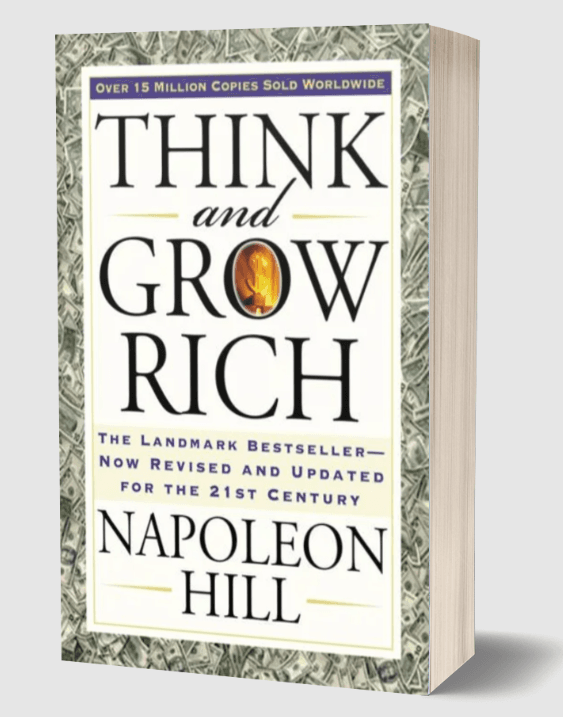
Imagine discovering that every successful person—from Andrew Carnegie to Oprah—followed the same invisible roadmap to wealth. That’s what journalist Napoleon Hill uncovered after 20 years studying 500+ millionaires. Think and Grow Rich isn’t about get-rich-quick schemes; it’s about rewiring your mind to attract success.
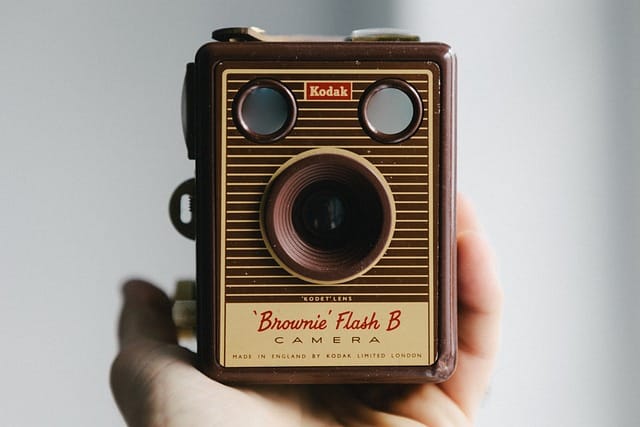
In 1975, a 24-year-old Kodak engineer named Steven Sasson invented the world’s first digital camera. When he showed it to executives, their response was: “That’s cute—but don’t tell anyone about it.”

In 2015, Gautam Singhania stood at the pinnacle of Indian business, presiding over Raymond Group – a 93-year-old textile empire valued at ₹7,200 crore ($1.1 billion). The media crowned him “The Suit Samrat,” celebrating his transformation of a staid fabric company into India’s premier lifestyle brand.

The Breaking Point It was a sweltering Florida afternoon in 1998, and Sara Blakely stood sweating in a department store dressing room. She had an important cocktail party that evening, but her cream-colored pants clung awkwardly to the seams of her pantyhose.
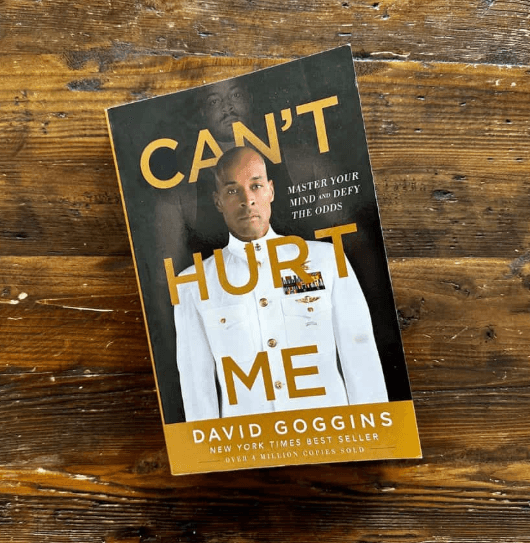
Most self-help books promise quick fixes and positive thinking. Can’t Hurt Me is the antidote to that. David Goggins—former Navy SEAL, ultramarathon runner, and world-record holder—doesn’t believe in motivation. He believes in suffering, discipline, and relentless self-improvement.
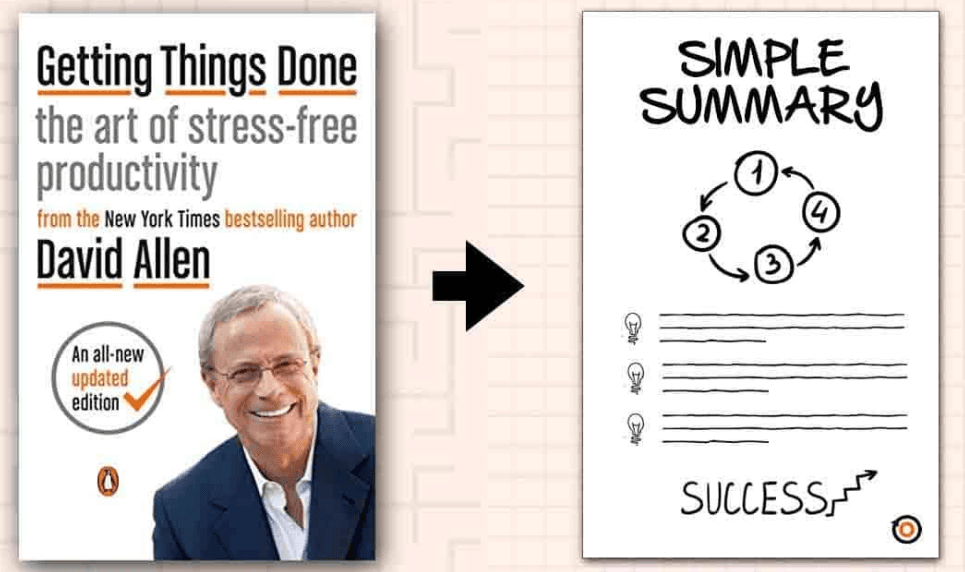
Do you ever feel overwhelmed by your to-do list, yet still lie awake at night worrying you’ve forgotten something? David Allen’s Getting Things Done (GTD) isn’t just another productivity hack—it’s a complete mindset shift for organizing your work and your mind.
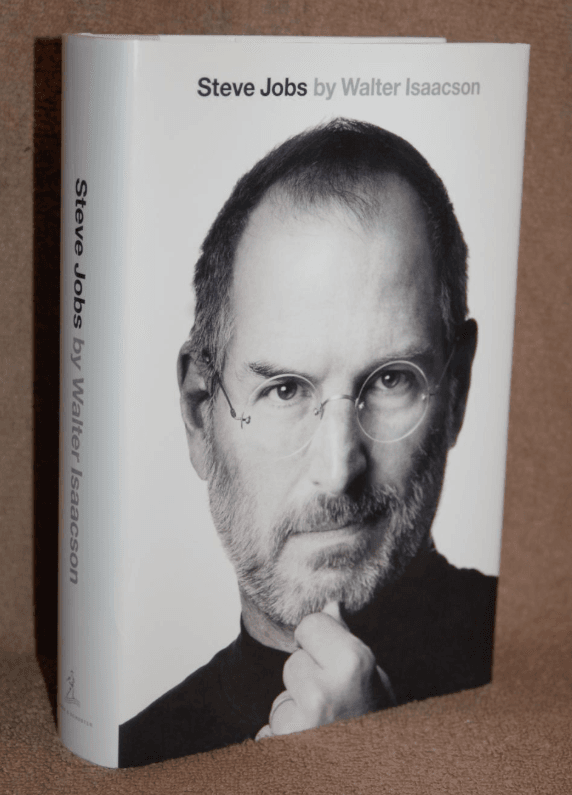
Steve Jobs wasn’t just the co-founder of Apple—he was a cultural earthquake. Walter Isaacson’s biography reveals how a rebellious hippie kid became the visionary behind the iPhone, Pixar, and the modern tech aesthetic, all while wrestling with personal demons.
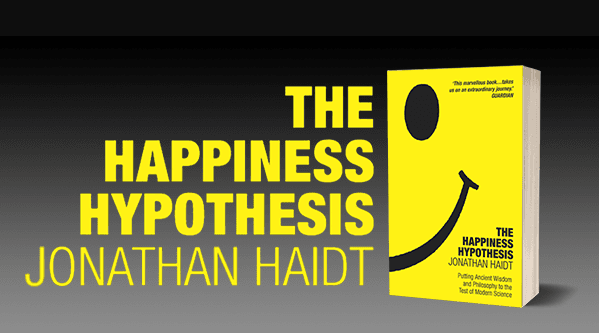
For thousands of years, philosophers and spiritual leaders have pondered the secret to happiness. But do their insights hold up under scientific scrutiny? Psychologist Jonathan Haidt explores this question in The Happiness Hypothesis, weaving together cutting-edge psychology, neuroscience, and timeless wisdom from Buddha to Benjamin Franklin.
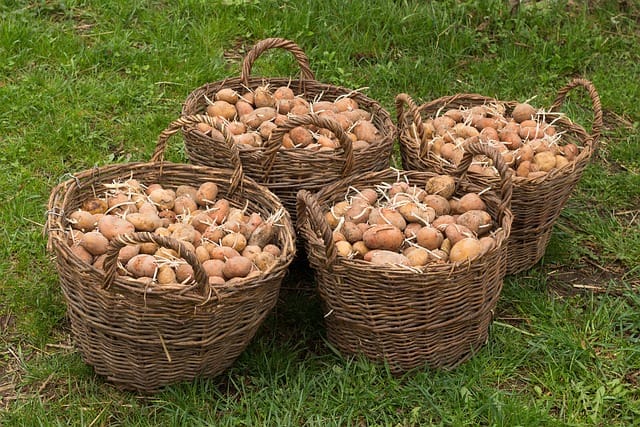
An old man lived alone in an Indian town. His only son was in prison. The old man wrote a letter to his son. Dear Son, I am feeling pretty bad because it looks like I won’t be able to plant my potato garden this year.

A long time ago, there was an Emperor who told his horseman that if he could ride on his horse and cover as much land area as he likes, then the emperor would give him the area of land he has covered.